
Intercultural Interaction
Genuine interaction with all of God's image-bearers.

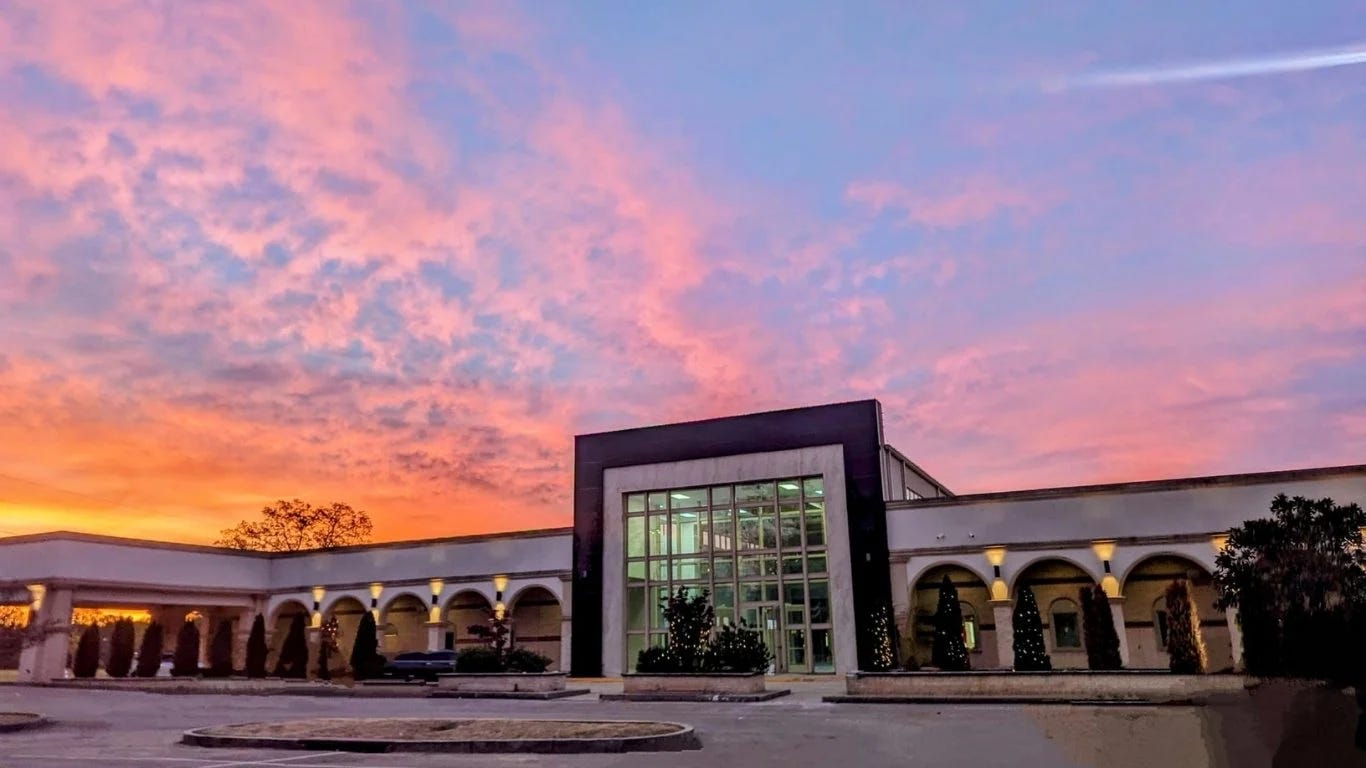
As my summer World Religions course comes to a close this week, I find myself once again encouraged by the experiences of my students.
While I’m confident my recorded video sessions rival something of a Hollywood production 😉, the most meaningful learning always comes from a different place—students visiting centers of worship outside of their own traditions.
Christians visiting mosques.
Muslims visiting synagogues.
Hindus visiting churches.
Agnostics visiting mandirs.
I never ask students to convert. Instead, I either organize the visits myself or encourage them to go with a classmate or friend to ease any anxiety about stepping into an unfamiliar setting. The expectation is simple: show up, observe, listen, learn, and reflect.
Without exception, this “assignment” becomes the most powerful learning experience in the course—something no textbook or lecture can truly replicate.
I wish we approached more of life this way. Maybe we won’t always visit another religious space, but we can choose to engage with people who are different from us—through conversations with colleagues, coffee with acquaintances, or meals with neighbors. These differences might include skin color, language, cultural background, sexual orientation, attire, or religious beliefs.
Practices like this don’t require us to abandon our personal values or religious convictions. Instead, they invite us to genuinely encounter others—people who, I believe, bear the image of God. They create space for authentic conversation and deeper compassion for:
Haitians and Syrians
Muslims and Hindus
Gays and Transgenders
Latinos and Africans
—and many others
From a Christian perspective, missiologist, David Fitch, calls it “faithful presence.” He practically describes it like this:
“I got to know people struggling to hold onto a job, abused by a spouse, or mistreated by police. I got to know some police themselves. I shared tables regularly with people who live in cars and vans. I became enmeshed in a network where God was working in people’s lives, and I was swept up into it. . . We encountered God together. I saw miracles of God’s presence materialize before my very eyes . . . I found myself joined with people in prayer, reconciliation, healing, and proclaiming the hope of the gospel. I became a participant in God’s work. I was learning how to be faithfully present to his presence. I was catching a glimpse of what faithful presence might look like in the world.” (Faithful Presence, 11)
Whether we are Christian or not, faithful presence is a practice I think we can all take up. It is worth pursuing—for the flourishing of humanity and the shared pursuit of what is good, right, and true.